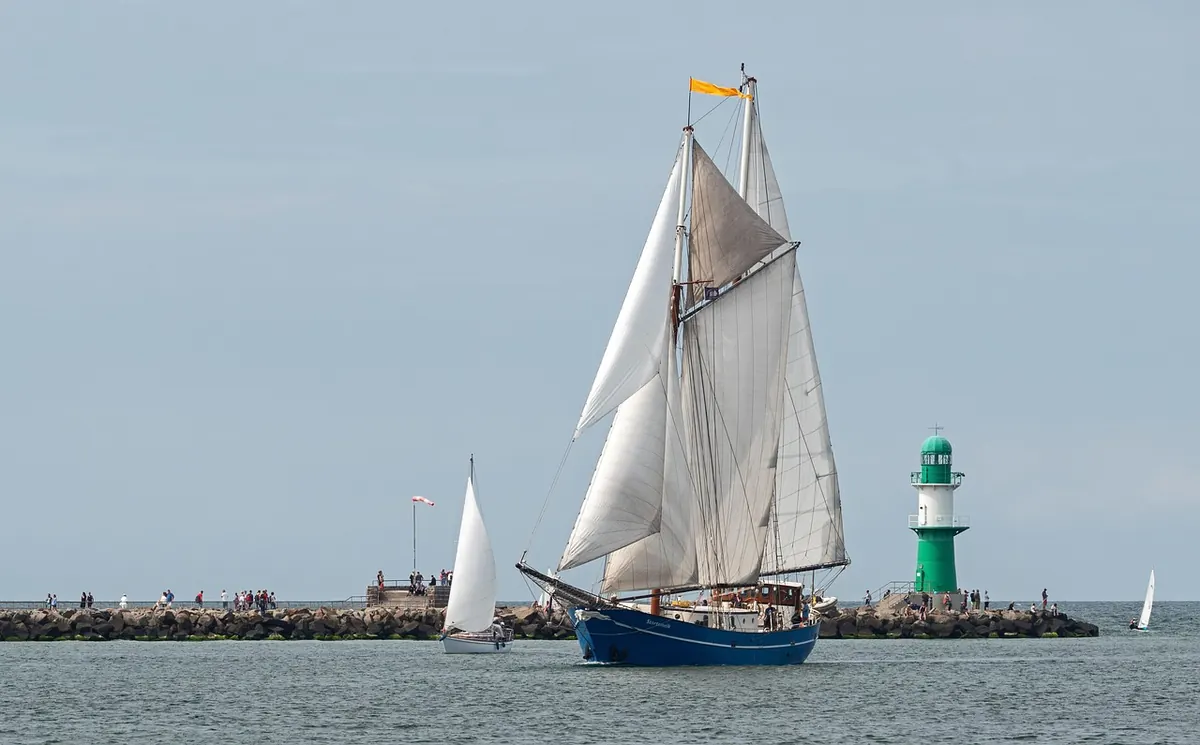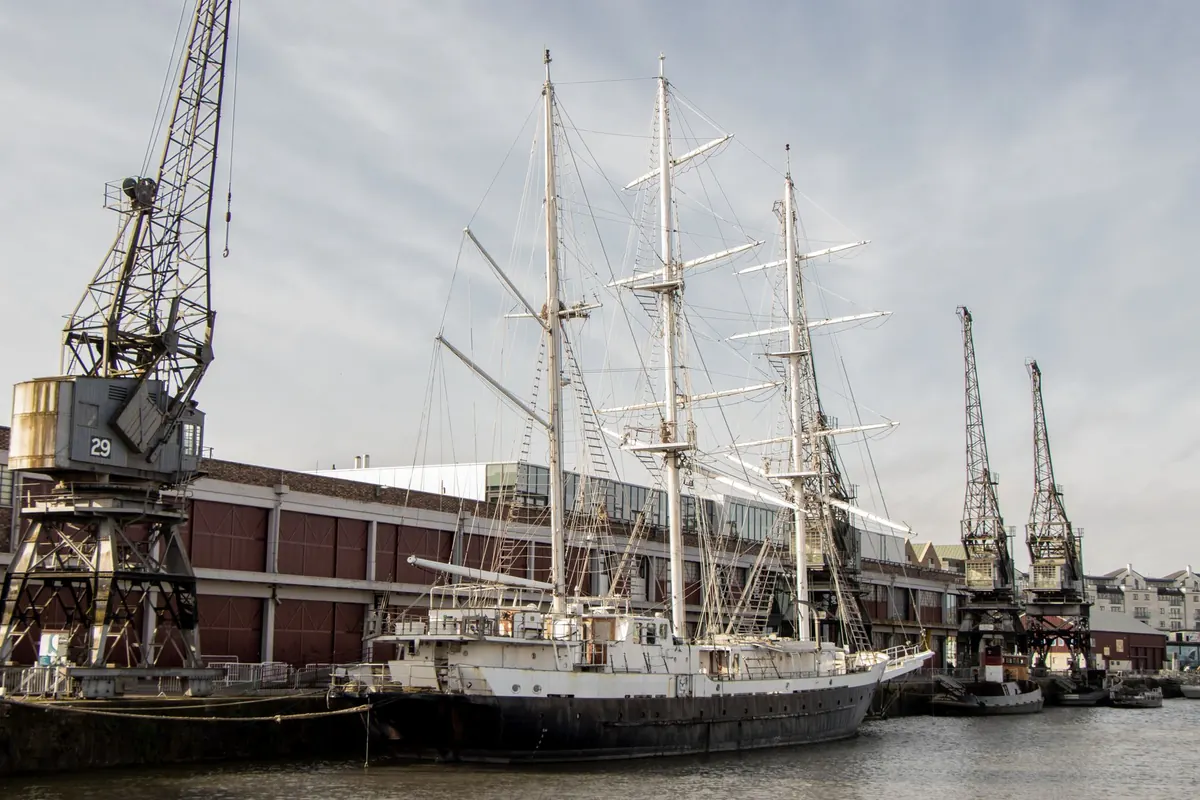

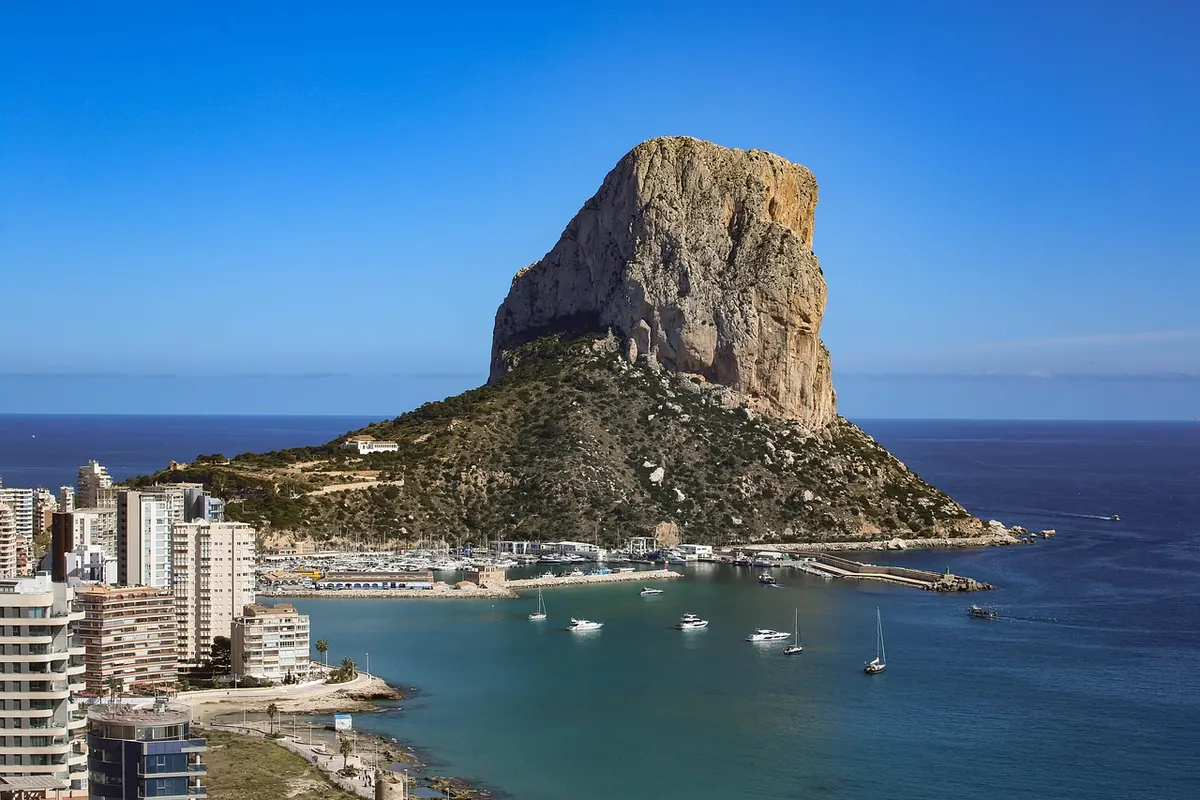
A day sail looks straightforward on paper: leave the harbour in the morning, sail along the coast, come back in the afternoon. Then the sea breeze arrives two hours later than you assumed, a ferry crosses your track at the worst possible moment, and you find yourself motoring into a headwind with the sun already low over the breakwater. The difference between a relaxed day and a rushed one is almost never sailing skill. It is planning that respects the local rhythm of the port you are sailing from.
Read the Forecast at Two Scales
Coastal Mediterranean sailing lives on two forecasts at once. The first is the synoptic picture: the broad pressure pattern, the gradient wind, the front that may or may not arrive. The second is the local, thermal picture: what the land and water will do to that gradient wind once the sun is up.
Check at least two independent sources the evening before and again in the morning, and pay attention to their disagreements. If one model shows twelve knots and another shows twenty-two, you are not looking at a detail — you are looking at uncertainty, and uncertainty is a reason to plan for the upper number while keeping an easy way out.
Then ask the questions models handle badly:
- Is there high land upwind that will bend, accelerate, or blank the wind near the coast?
- Does the forecast wind oppose the sea breeze? A gradient wind against the thermal often means a confused, gusty afternoon.
- Is a named regional wind in play — mistral, bora, meltemi, scirocco? These are not gentle corrections to the forecast; they are the forecast.
- What will the wind do after 16:00, when you want to be heading home?
The Sea Breeze Sets Your Timetable
In most Mediterranean bays, the summer day has a shape you can almost set a watch by. Learn that shape for your own stretch of coast and half your planning is done.
Morning: the calm that is not empty
Dawn often brings near-calm, and with it the temptation to leave early and motor. Fine — but check the forecast gradient before you commit. If the synoptic wind is already blowing offshore at ten knots, the morning calm may be a short illusion, and the afternoon could deliver a solid beat home rather than a reach.
Late morning to mid-afternoon: the build
The sea breeze typically fills in around mid-morning, strengthens through the early afternoon, and is at its most reliable a mile or two offshore. Near the coast it is patchy, and off headlands and river mouths it arrives in gusty surges. The first hour is usually the most unstable; the middle is the most predictable.
Evening: the switch
As the land cools, the breeze fades quickly, often leaving a soft, glassy interval before any night wind establishes. That interval is your friend if you are close to the harbour, and a trial if you are not. Do not plan to rely on the sea breeze after it has visibly died everywhere else.
Small Tides, Real Consequences
Mediterranean tides are modest in most places — tens of centimetres rather than metres — which is exactly why they catch visitors out. A harbour bar with forty centimetres of water under it at half tide becomes a different proposition at low water, and a mooring line that was comfortable in the morning can be bar-tight by late afternoon, or slack enough to let a boat drift onto a neighbour.
Three things matter more than the tide table itself:
Pressure and seiche
Sustained high or low pressure can shift water levels by a meaningful margin, and enclosed basins sometimes oscillate for hours after a period of strong wind. If the forecast has just been through a windy spell, expect the harbour to be a little fuller or emptier than the table predicts.
Moon phase
Spring tides around new and full moon are the ones where the shallow entrance you sketched on the chart becomes worth a second look. Note the entrance depth, note your draft, add a margin you are happy with, and pick your departure window accordingly.
Current in the gaps
Where the Mediterranean has narrow straits and channels, tidal streams can be far stronger than the tide height would suggest. Time your pass through them rather than fighting them in the heat of the afternoon.
Port Traffic: Who Is Where, and When
A working Mediterranean port is a timetable before it is a harbour. Ferries and fast craft keep schedules, hydrofoils close on you faster than their size suggests, fishing boats leave before dawn and return in the evening, and cargo movements can shut a channel for twenty minutes without ceremony.
Before you leave the quay:
- Ask at the harbour office or marina desk which channel is the commercial one and where the prohibited area begins.
- Note the port's working VHF channel — it varies, so check the almanac or ask — and keep a listening watch on 16 when underway.
- Identify the ferry approach lanes on the chart and plan to cross them at right angles, not along them.
- Agree who is looking out; a crew briefing of thirty seconds beats four people assuming someone else is watching.
- Decide now where you will not anchor — fairways, ferry berths, cable areas, and the turning circle of anything large.
Fast craft have the right of way in practice if not in law, because they cannot stop. Assume they have not seen you until you are certain they have, and make your intention early and obviously rather than politely.
Build a Return Buffer That Survives a Slow Afternoon
The single most useful habit for day sailing is working backwards from a time alongside, not forwards from a departure. Take your intended return time, subtract the distance home at a conservative speed — not your best speed, the one you would make in a fading breeze and a chop — and then subtract another twenty to thirty minutes. What is left is your turnaround point.
Write it down. "Turn around at 14:30 or at the second headland, whichever comes first" is a plan; "we'll see how it goes" is not. Add a bail-out option: an alternative marina, a sheltered anchorage, or a bay you can wait in if the breeze dies and the engine is needed later. If fuel matters, apply a simple rule — keep a third in reserve beyond what you expect to burn.
And tell someone ashore roughly where you are going and when you expect to be back. A one-line message is enough.
The Evening Before: A Five-Minute Check
Before you sleep, do five small things: read two forecasts and note where they disagree; check the tide table against the harbour entrance and your draft; confirm the ferry and fast-craft timetable for tomorrow; write your turnaround time and bail-out option on the chart or a scrap of paper; and glance at the wind direction for the return leg. That is the whole framework. The day itself will still surprise you — a breeze that fills late, a ferry that runs behind schedule, a sudden flat spot off the point — but you will be reacting to one surprise at a time instead of three at once, and you will still be home before the harbour lights come on.
Photo: AG-Pics / Pixabay